Exchange Types Overview
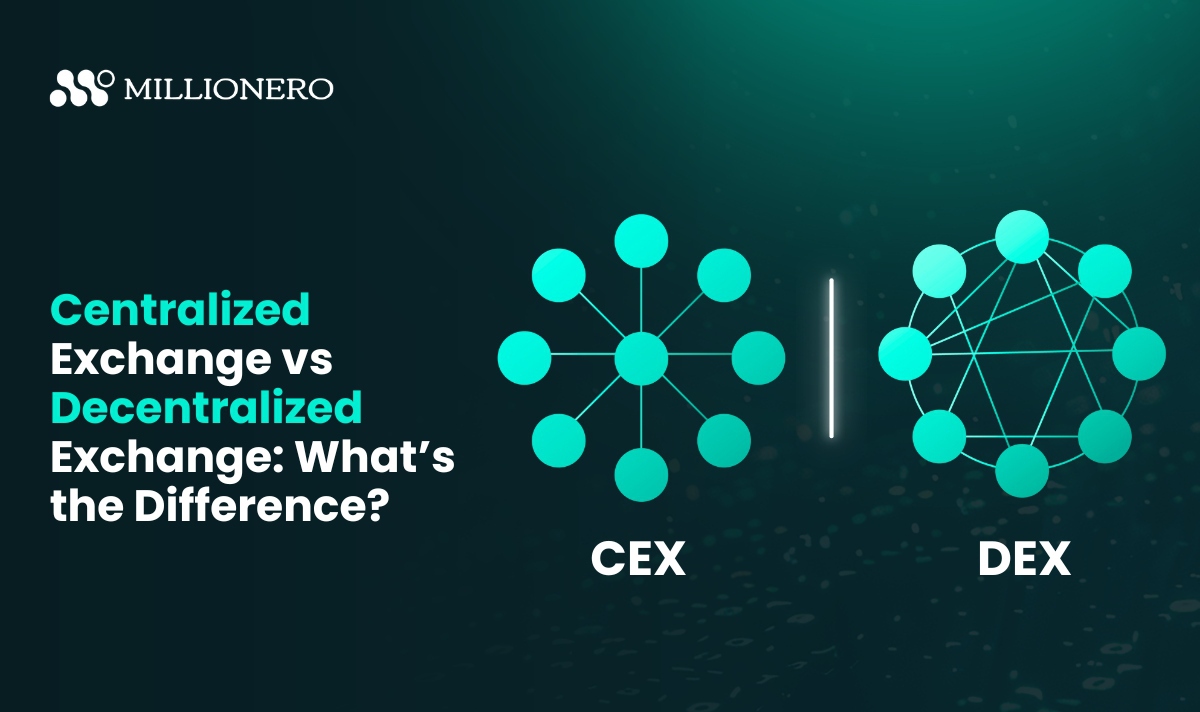
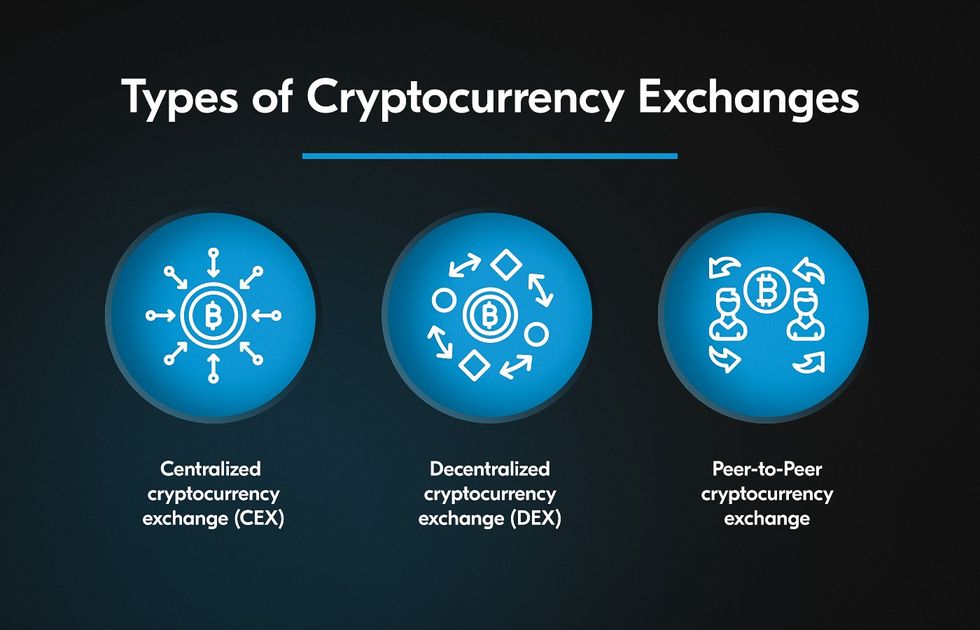
The cryptocurrency exchange landscape consists of two fundamentally different approaches: centralized exchanges (CEX) and decentralized exchanges (DEX). Both serve the same basic function—facilitating cryptocurrency trading—but operate through entirely different mechanisms with distinct advantages and trade-offs.
Centralized exchanges function like traditional financial institutions, maintaining custody of user funds and acting as intermediaries in all transactions. Decentralized exchanges, conversely, enable peer-to-peer trading through smart contracts without requiring users to surrender control of their assets.
This fundamental difference in architecture creates contrasting user experiences, security models, and regulatory considerations. Understanding these distinctions helps traders choose the appropriate platform based on their specific needs, risk tolerance, and technical expertise.
Centralized Exchanges (CEX)
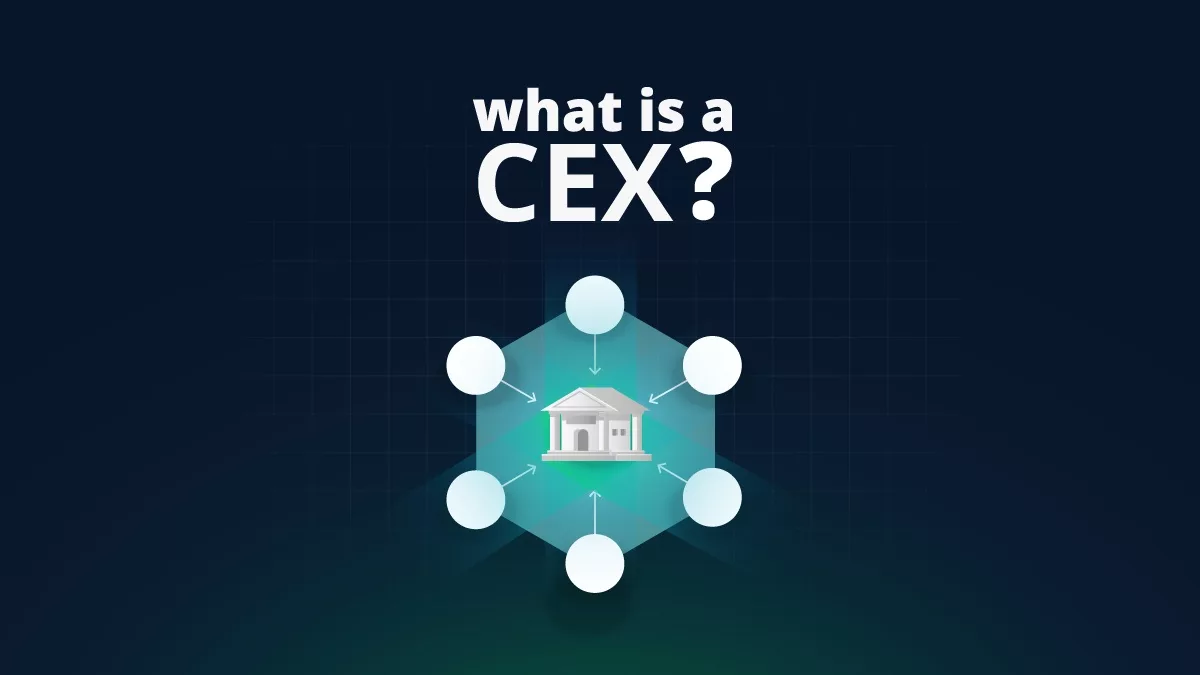
Centralized exchanges are traditional cryptocurrency trading platforms that operate similarly to conventional financial institutions. They maintain custody of user funds, match buy and sell orders, and provide various trading services through a centralized infrastructure.
How CEX Work
Centralized exchanges function through a familiar order book system:
- Account Creation: Users register with personal information and complete KYC verification
- Fund Deposit: Users transfer cryptocurrencies or fiat to exchange wallets
- Order Matching: Exchange matches buy/sell orders through centralized order book
- Execution: Trades execute through exchange's internal systems
- Fund Management: Exchange maintains custody of all deposited assets
Key Characteristics
- Custodial Model: Exchange holds and manages user funds and private keys
- KYC Requirements: Identity verification for regulatory compliance
- Order Book Trading: Traditional buy/sell order matching system
- Customer Support: Dedicated support teams for user assistance
- Regulatory Oversight: Compliance with financial regulations and reporting
Popular Examples
Leading centralized exchanges include:
- Binance: World's largest exchange by trading volume
- Coinbase: Popular US-based exchange with retail focus
- Kraken: Established exchange with strong security track record
- Bitfinex: Advanced trading features and margin trading
- Bybit: Derivatives and futures trading focus
Decentralized Exchanges (DEX)
Decentralized exchanges represent a paradigm shift in cryptocurrency trading, enabling peer-to-peer transactions without intermediaries. They operate through smart contracts on blockchain networks, allowing users to maintain custody of their funds while trading directly with other users.
How DEX Work
Decentralized exchanges operate through automated protocols:
- Wallet Connection: Users connect non-custodial wallets (MetaMask, Trust Wallet)
- Direct Trading: Smart contracts facilitate peer-to-peer asset swaps
- Automated Pricing: Algorithmic pricing through automated market makers
- Self-Custody: Users retain control of private keys and funds
- Blockchain Settlement: Transactions settle directly on blockchain networks
Key Characteristics
- Non-Custodial: Users maintain control of private keys and funds
- Permissionless: No account registration or KYC requirements
- Smart Contract Based: Automated trading through blockchain protocols
- Global Access: Available to anyone with internet connection
- Transparent Operations: All transactions publicly verifiable on blockchain
Popular Examples
Leading decentralized exchanges include:
- Uniswap: Ethereum-based DEX with automated market making
- PancakeSwap: Binance Smart Chain DEX with yield farming
- SushiSwap: Cross-chain DEX with liquidity incentives
- Curve Finance: Specialized stablecoin trading DEX
- Balancer: Flexible automated portfolio manager

Key Differences Comparison
The fundamental distinctions between centralized and decentralized exchanges affect every aspect of the trading experience:
Custody and Control
CEX: Exchange maintains custody of all user funds and private keys
DEX: Users retain full control of their private keys and digital assets
Security Model
CEX: Centralized security infrastructure with potential single points of failure
DEX: Distributed security through blockchain networks and smart contracts
Regulatory Compliance
CEX: Subject to financial regulations, licensing requirements, and reporting obligations
DEX: Minimal regulatory oversight, operates in legal gray areas in many jurisdictions
User Experience
CEX: Familiar interfaces similar to traditional financial platforms
DEX: Requires wallet management and blockchain transaction understanding
Trading Limits
CEX: Varying withdrawal limits based on verification level
DEX: Generally no withdrawal limits, constrained by blockchain capabilities

When to Use Each Type
Different trading scenarios favor different exchange types:
Centralized Exchange Advantages
Best for:
- Beginners: Familiar interface and customer support
- Fiat Onboarding: Easy conversion between crypto and traditional currencies
- Advanced Trading: Margin trading, derivatives, and complex order types
- Large Transactions: High liquidity for significant trades
- Regulatory Compliance: Proper documentation for institutional investors
Decentralized Exchange Advantages
Best for:
- Privacy: No KYC requirements or personal information sharing
- Censorship Resistance: No account freezing or trading restrictions
- Asset Ownership: Full control over private keys and funds
- Yield Generation: Liquidity provision and farming opportunities
- Altcoin Trading: Access to newer tokens before CEX listings
Hybrid Approach
Many traders use both types strategically:
- Use CEX for fiat onboarding and large stable transactions
- Use DEX for privacy-sensitive trades and altcoin exploration
- Bridge assets between ecosystems for optimal opportunities
- Maintain separate wallets for different risk tolerance levels

Security Considerations
Security approaches differ fundamentally between exchange types:
Centralized Exchange Security
Professional security measures:
- Cold Storage: Majority of funds kept in offline wallets
- Multi-Signature: Multiple approvals required for fund movements
- Insurance Coverage: Some exchanges offer fund protection policies
- Security Audits: Regular penetration testing and code reviews
- Two-Factor Authentication: Enhanced account protection
Risks: Single points of failure, exchange hacks, and fund freezing
Decentralized Exchange Security
Blockchain-based security model:
- Smart Contract Security: Audit-based vulnerability prevention
- Immutability: Transactions cannot be reversed or censored
- Transparency: All transactions publicly verifiable
- Non-Custodial: No central target for hackers to attack
- User Responsibility: Private key security is user-controlled
Risks: Smart contract vulnerabilities, user error, and limited recourse
Best Practices
Security recommendations for both types:
- Enable all available security features (2FA, email notifications)
- Start with small amounts to learn platform nuances
- Use hardware wallets for significant long-term holdings
- Verify exchange addresses and contract information carefully
- Keep software and wallets updated with latest security patches

Trading Features and Tools
Available trading capabilities vary significantly between platforms:
Centralized Exchange Features
Advanced trading capabilities:
- Advanced Order Types: Stop-loss, limit orders, market orders, OCO orders
- Margin Trading: Leveraged trading with borrowed funds
- Derivatives: Futures, options, and perpetual contracts
- Staking Services: Earn interest on idle cryptocurrency holdings
- Trading Bots: Automated trading algorithms and strategies
- Market Analysis: Advanced charting tools and technical indicators
Decentralized Exchange Features
Decentralized trading innovations:
- Automated Market Making: Algorithmic pricing through liquidity pools
- Yield Farming: Earning rewards by providing liquidity
- Liquidity Mining: Token incentives for platform participation
- Token Swapping: Direct asset exchange without order books
- Staking Rewards: Earning protocol tokens through participation
- Governance Voting: Participating in platform decision-making
Emerging Features
Convergence of capabilities:
- Limit Order DEX: Bringing traditional order types to decentralized platforms
- Cross-Chain Trading: Multi-blockchain asset swaps
- Advanced Analytics: On-chain data analysis tools
- Social Trading: Following successful trader strategies
- Portfolio Management: Integrated asset allocation tools

Cost Comparison
Transaction costs vary between centralized and decentralized exchanges:
Centralized Exchange Costs
Typical fee structure:
- Trading Fees: 0.1-0.2% per trade (varies by volume tier)
- Deposit Fees: Usually free for cryptocurrency deposits
- Withdrawal Fees: $1-50 depending on cryptocurrency and network
- Fiat Processing: 1-3% for credit/debit card purchases
- Margin Funding: 5-15% annual interest on borrowed funds
Decentralized Exchange Costs
Blockchain-based expenses:
- Trading Fees: 0.05-0.3% typically (variable by platform)
- Gas Fees: $2-50+ per transaction (network congestion dependent)
- Slippage: 0.1-5% difference between expected and actual prices
- Liquidity Provider Fees: 0.05-0.25% for pool participants
- Impermanent Loss: Potential losses from price volatility
Cost Optimization
Strategies to minimize trading costs:
- Trade during low network congestion periods for DEX
- Maintain high volume tiers for better CEX pricing
- Use fee token discounts where available
- Compare multiple platforms before large transactions
- Consider layer-2 solutions for reduced gas costs

Future Trends
Evolution patterns in both centralized and decentralized exchange development:
Technological Advances
Both sector advancements:
- Layer-2 Solutions: Scaling technologies reducing transaction costs
- Cross-Chain Bridges: Interoperability between different blockchain networks
- AI Integration: Intelligent trading algorithms and risk management
- Regulatory Technology: Automated compliance and reporting systems
Market Convergence
Blending of features and capabilities:
- Hybrid Models: CEX incorporating DEX features and vice versa
- Institutional Adoption: Professional-grade tools for retail traders
- Improved UX: Simplified interfaces making DEX more accessible
- Enhanced Security: Better protection mechanisms across both types
Regulatory Evolution
Legal framework developments:
- Clearer Guidelines: Defined regulatory standards for both exchange types
- Licensing Frameworks: Standardized operating requirements
- Consumer Protection: Enhanced investor safeguards and recourse
- Tax Compliance: Automated reporting and calculation tools
Frequently Asked Questions
Which is safer: CEX or DEX?
Both have different security models. CEX offer professional security infrastructure but create central targets for hackers. DEX eliminate central points of failure but require users to manage their own security. The "safer" option depends on your security practices and risk tolerance.
Can I use both exchange types?
Absolutely. Many traders use CEX for fiat onboarding and large transactions, then move to DEX for privacy-sensitive trades or altcoin exploration. This hybrid approach maximizes opportunities while managing risk.
Do DEX have customer support?
Generally no. DEX operate without central authorities, so there's no customer service team. Users must rely on community forums, documentation, and their own technical knowledge for assistance.
Which has better liquidity?
Centralized exchanges typically have higher liquidity for major cryptocurrencies due to larger user bases and trading volumes. DEX liquidity varies by platform and token pair, with some major pairs offering substantial liquidity.
Are DEX truly anonymous?
DEX transactions are pseudonymous rather than truly anonymous. While no personal information is required, blockchain transactions are publicly visible and can potentially be traced through analysis techniques.
What happens if a DEX protocol fails?
Unlike CEX where you might lose funds to hacks, DEX failures typically result in smart contract vulnerabilities or economic exploits. Users generally retain control of their funds, but may face losses from protocol issues or market manipulation.
Conclusion
The choice between centralized and decentralized exchanges ultimately depends on your specific trading needs, technical expertise, and risk tolerance. Both exchange types serve important roles in the cryptocurrency ecosystem and offer unique advantages for different use cases.
Centralized exchanges provide the familiarity, liquidity, and advanced features that many traders require, especially beginners and those seeking traditional financial services integration. Their professional infrastructure, customer support, and regulatory compliance make them suitable for serious trading activities and institutional participation.
Decentralized exchanges offer the freedom, privacy, and control that align with cryptocurrency's original vision of financial sovereignty. They enable peer-to-peer trading without intermediaries, provide access to emerging tokens, and offer innovative yield-generating opportunities through liquidity provision.
As the cryptocurrency space continues maturing, we're likely to see increased convergence between these approaches, with hybrid solutions offering the best aspects of both worlds. Layer-2 scaling solutions, improved user interfaces, and regulatory clarity will make both exchange types more accessible and secure.
For most traders, the optimal approach involves understanding both systems and using them strategically based on specific needs. Start with small amounts, learn the nuances of each platform, and gradually build expertise in the exchange types that best serve your trading objectives and risk profile. Those interested in the broader cryptocurrency ecosystem should also explore how Web3 is transforming digital finance and understand the role of stablecoins in modern trading.



Leave a Comment